Dive Computer Basics: Do You Know What Your Screen Means?
You bought a wrist computer—or rent one every holiday—and follow the big numbers without fully understanding them. On a long weekend at Belyounech with two or three dives per day on rocky Mediterranean sites, that gap matters: your computer continuously updates nitrogen loading from actual depth and time, not a square profile from a table you memorised once in Open Water class.
Visitors to northern Morocco often stack Open Water courses, fun dives (from 650 DH on courses), and specialty training in one trip. Without computer literacy, you either ignore warnings you do not recognise or trust NDL minutes while ascending too fast—both common paths to incidents that briefing alone will not fix.
At Chems Diving, instructors still brief maximum depths for site conditions regardless of what your wrist display allows. This guide explains key readings, air versus nitrox modes, multi-day planning, and prep before you fly—not a manufacturer manual, but what recreational divers need for safe Mediterranean repetitive diving.
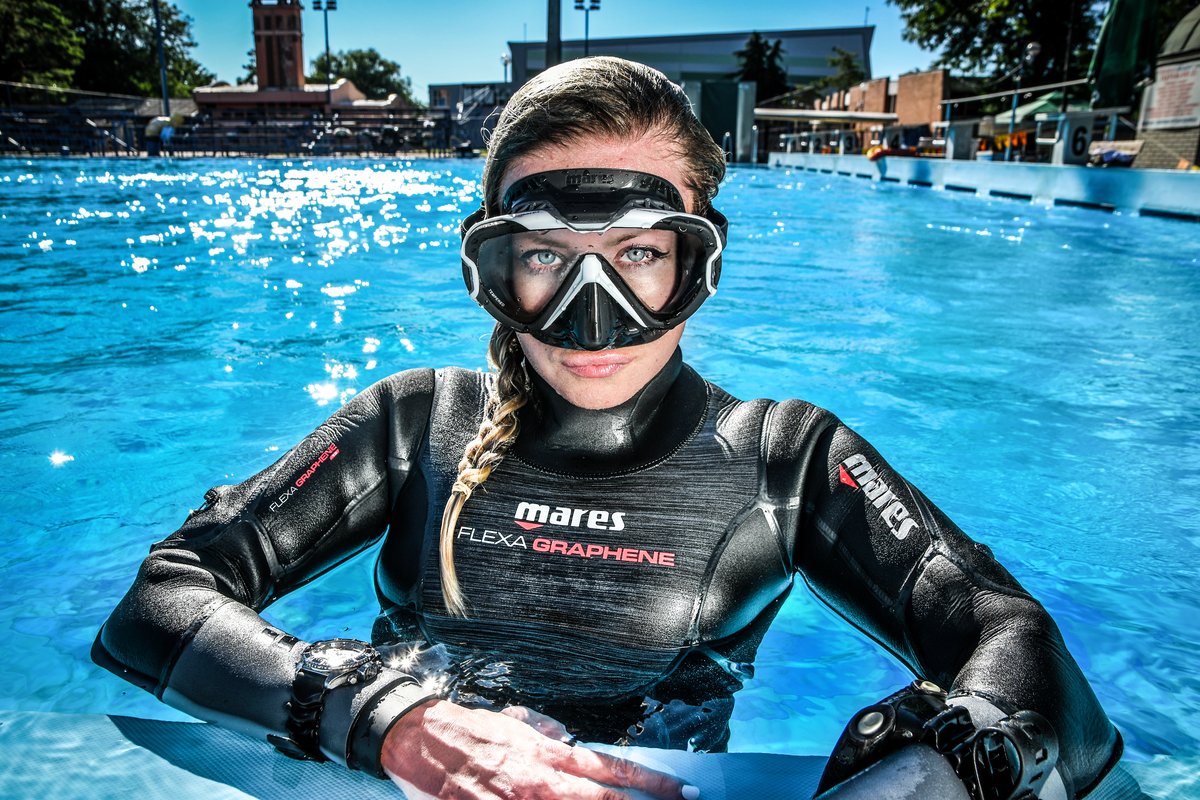
The Essential Rule: Dive Your Computer, Understand Your Computer
Open Water training teaches tables partly so you understand decompression concepts. Certified daily diving runs on the computer you wear—never share one unit between two divers. But “dive your computer” does not mean stare at NDL while ignoring ascent rate alarms, safety stops, or instructor depth limits for local surge.
The mistake holiday divers make is leaving FO₂ on 32% from last year’s nitrox trip while diving air today—or assuming a generous NDL means deep profiles are wise on a second dive after a long surface interval beer. Reading the manual once at home matters more than brand prestige on the strap.
Pair computer use with common mistakes review and nitrox training if you dive enriched air.
Quick Comparison: Three Computer Roles
Air mode (21% O₂)
Ideal for: Open Water training, try dives, and most fun dives unless you are nitrox-certified with analysed fills.
Nitrox mode
Ideal for: certified enriched-air divers who set FO₂ to analysed cylinder values before every dive.
Gauge / bottom timer
Ideal for: professionals or table-trained divers with a backup depth/time plan—know your fallback.
Key Readings You Must Watch Every Dive
NDL / no-decompression time shows minutes remaining at current depth; it rises as you ascend shallower. Depth and max depth verify your planned profile against briefing limits on Belyounech sites. Surface interval since last dive affects next-dive limits—log dives in the unit or app so loading carries correctly across days.
Safety stop—typically 3 minutes at 5 m—is mandatory unless your training specifies otherwise. Ascent rate warnings demand slowing when the computer beeps or flashes. Plan / tissue screens preview how a proposed second dive affects limits—use them before splash on multi-dive days.
Why readings matter on repetitive Med holidays
- Shallow dive one plus deeper dive two can shorten afternoon NDL unexpectedly
- Computers reward slow ascents—rushing when NDL still shows minutes is a common error
- Night dives often increase air consumption slightly—plan turn pressure on surface
- Buddy computers may differ—plan conservatively—signals for turn times
Modes: Setting Air, Nitrox, and Avoiding Wrong Profiles
Confirm air mode uses 21% oxygen—not a leftover nitrox setting from a previous trip. Nitrox mode requires training, cylinder analysis, and FO₂ entry matching measured percentage (e.g. 32%). Gauge mode provides depth and time without decompression algorithm—you need tables or professional lead.
Never use freedive mode for scuba; profiles differ dangerously. Some watch-style units hide menus—learn three buttons at home: dive, plan, and log transfer.
Why mode errors happen in Morocco
- Travel divers forget to reset after home nitrox season
- Rental computers need verification before buddy pairing
- Nitrox specialty from 2,800–3,500 DH—courses—before using enriched air
- Medical items apply to nitrox—medical guide
Before Your Belyounech Trip: Practical Checklist
Replace or check battery if not user-serviceable—many fail vacation week one. Read the manual once; practise plan screen at home. Bring backup timing and depth reference if insurance and training allow. Pack computer in carry-on; align with equipment checklist.
After a long break, refresh skills and computer literacy together via return to diving guide. Open Water students learn tables; certified divers should arrive able to explain their own alarms to an instructor.
Why pre-trip prep saves holiday days
- Dead battery on day one wastes a booked fun dive slot
- Unread manual means missed lockout features on new models
- Logging previous dives incorrectly skews repetitive loading
- Flying after diving: follow agency guidelines (often 12 hours after a single no-decompression dive, 18 hours after multiple days); your computer may show longer desaturation—use the stricter value
Which Computer Habits Fit Your Diving Style?
If you dive once or twice per year on guided shallow dives, choose simple air-mode literacy—NDL, ascent rate, safety stop—before buying advanced features.
If you stack three dives daily on Morocco holidays, choose plan screen practice and conservative second-dive depth.
If you are nitrox-certified, choose analyse-set-dive discipline every fill—never assume fill-station labels without personal check.
Any profile works with understanding. Blind trust in numbers without ascent discipline fails on every brand.
Why Divers Choose Chems Diving in Belyounech
Instructors brief site depth limits independent of what your computer permits algorithmically.
Serious training standards
Open Water and AOW include computer use in realistic Mediterranean profiles—not table-only theory divorced from daily practice.
Multilingual instruction
English, French, Spanish, Arabic—briefings explain turn pressure and depth caps clearly.
Transparent packages
Course equipment includes training computers where listed on courses; fun divers advised to bring own unit for consistent logging.
Weather flexibility
Multi-dive days reschedule when conditions change—your computer plan should be rebuilt, not blindly reused from yesterday.
Our Honest Recommendation
Read your manual before travel, not on the ferry.
Reset to correct gas mode every trip start.
Plan conservative second dives on hot Morocco weekends.
Understanding beats the most expensive wrist unit worn ignorantly.
Start Your Morocco Dives With Computer Confidence
Tell us your computer model and certification. We advise settings for local profiles and nitrox if certified.
Need training? Courses, try dive, or contact. Rusty after years away? Book a refresher.
WhatsApp +212 715501866 before arrival with computer questions.
Frequently Asked Questions
Can I rent a computer at Chems?
Many guests bring their own. Contact us before arrival—we advise for courses and discuss options for fun divers without a unit.
What if buddy computers disagree?
Follow the more conservative plan. Brand algorithms and dive history differ slightly—that is normal, not a reason to ignore both.
Do I still need tables?
Training teaches tables for concept; daily diving uses your worn computer per agency guidance. Keep table skills as backup literacy.
Does flying after diving affect the computer?
Observe minimum surface intervals before flights; some models show desaturation time—use the longer of agency rules or display reading.