Marine Life in the Moroccan Mediterranean: What Will You Actually See?
Travel blogs show either neon tropical fish or empty blue water—neither matches the northern Mediterranean off Morocco accurately. If you are diving near Belyounech at the foot of Jebel Moussa, where the Strait of Gibraltar mixes Atlantic influence with Mediterranean clarity on calm days, expectations should centre on rocky-reef specialists: groupers under ledges, octopus in crevices, colourful wrasse, and macro invertebrates—not whale sharks or endless soft coral.
The Fnideq and M’diq coast supports rocky substrate, boulder fields, occasional sand channels, and seagrass patches where present. Chems Diving operates daily on these sites; this guide is practical field notes from that work—not an exhaustive scientific catalogue, but honest answers about what certified divers and students typically encounter across seasons.
Understanding local habitat helps you dive responsibly—see responsible diving—and photograph better—photo tips. Wildlife rewards observation, not chase behaviour.
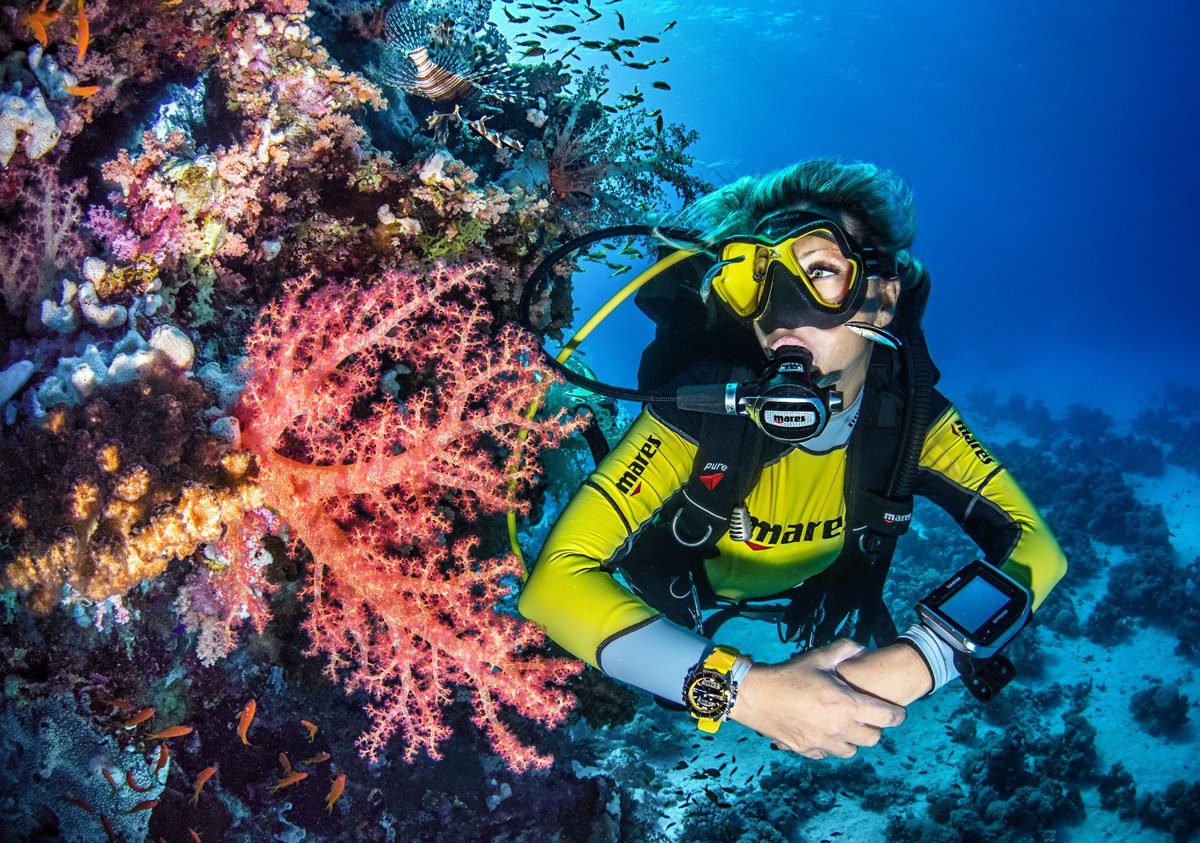
The Essential Rule: Mediterranean Life Is Subtle, Not Spectacular
First-time divers sometimes expect Red Sea density on every descent. Moroccan Mediterranean reefs are richer than empty blue water but different from tropical coral gardens: encrusting life, camouflaged predators, and shy octopus matter more than mile-long reef walls packed with anthias.
The mistake is rating a dive “bad” because no turtle appeared—while missing a perfectly camouflaged scorpionfish or a cuttlefish hunting at dusk. Guide attention and your own buoyancy discipline matter more than a species checklist—but managing expectations prevents disappointment and encourages slow, low-impact diving.
Pair species knowledge with site choice from Belyounech dive sites and regional overview in diving in Morocco.
Quick Habitat Comparison
Rocky reef and boulders
Ideal for: groupers, morays, wrasse, octopus—typical Chems fun dive terrain at 8–25 m.
Shallow seagrass margins
Ideal for: juvenile fish, occasional seahorse luck—hover carefully; never stand on blades.
Night reef zones
Ideal for: crustaceans, hunting cephalopods, sleeping parrotfish—night guide.
Typical Fish and Reef Residents
Common sightings on local dives include dusky and other groupers under ledges—approach slowly from the side. Seabream species (sargo, oblada, etc.) school over rocky structure. Moray eels occupy crevices; observe only, never poke or feed. Common octopus is shy but unforgettable when active—often highlight of the week for photographers.
Wrasses and damselfish add colour in shallow zones. Schools of small pelagics appear when visibility is strong and current light. Scorpionfish and combers offer excellent macro subjects when you look carefully rather than swim fast.
Why these species dominate Belyounech dives
- Rocky Mediterranean substrate suits ambush predators and crevice dwellers
- Fishing pressure makes many fish wary—patience beats chase
- Juvenile fish use shallow nursery areas in warmer months—fin distance matters in summer
- Not tropical coral specialists—manage expectations accordingly
Invertebrates and Macro Highlights
Nudibranchs, tube worms, anemones, hermit crabs, and shrimp appear on many dives—ideal for photography students with diopters. Encrusting sponges and bryozoans colour walls; never touch surfaces to test buoyancy.
Night dives reveal different behaviour: shrimps and lobsters on ledges, octopus hunting, parrotfish in mucus cocoons. Low-impact light discipline required—full ethics in conservation guide.
Why macro matters here
- Subtle colour palette rewards close framing—technique guide
- Autumn clarity helps macro contrast—season guide
- Peak Performance Buoyancy course supports macro hover—courses
- Fish ID specialty adds context to sightings
Seasonal Patterns Near Belyounech
Summer brings warmer water (often 22–25°C in July–August), longer days, more boats. Life is active; visibility varies with plankton and weather—not every August day is crystal clear.
Autumn and winter favour many locals for clarity and fewer crowds. Water cools toward 15–18°C in winter—plan 5–7 mm exposure per season guide. Calm weeks can produce excellent visibility for photographers.
Spring balances temperature and visibility—good for courses and first open-water dives. What you will not see: tropical coral biodiversity or reliable big shark tourism—enjoy Mediterranean specialists instead.
Chems instructors adjust daily site choice to season: sheltered training bays for students in windy spring weeks; outer reef lines for experienced photographers when autumn clarity peaks. A “bad” wildlife day is often a visibility or surge day—not an empty ocean. Ask your guide what was seen recently before choosing a site for macro versus wide scenic goals.
Why season changes behaviour
- Water temperature affects activity levels and your exposure planning
- Summer boat traffic can disturb shy species in shallow zones
- Winter quiet sometimes improves octopus encounters when conditions calm
- Juvenile aggregations peak in warmer months—conservation awareness increases
Which Diver Profile Gets the Most from Local Wildlife?
If you are a beginner on Discover Scuba, choose shallow guided dives—octopus is possible but not guaranteed; enjoy whatever appears.
If you are a photographer, choose autumn weeks plus buoyancy training before chasing macro subjects.
If you are an experienced tropical diver, choose slow observation mindset—Mediterranean rewards patience, not mile-wide reef swims.
Any diver sees more with good guide briefing and respectful approach—not by feeding or harassing animals.
Why Divers Choose Chems Diving in Belyounech
Daily operations since 2015 build genuine local species knowledge—not generic brochure lists.
Serious training standards
Instructors correct wildlife harassment and reef contact on every course—environmental care on about us.
Multilingual instruction
English, French, Spanish, Arabic briefings include site-specific species pointers and fragile zones.
Transparent packages
Fun dives from 650 DH; courses include habitat awareness in standard briefings—not optional lecture.
Weather flexibility
Site choice shifts to visibility-friendly locations when swell stirs sediment—wildlife watching needs clear water.
Our Honest Recommendation
Expect Mediterranean rocky-reef life, not Caribbean coral density.
Plan autumn or calm winter weeks if visibility for photography is priority.
Dive slowly and off the bottom—most missed sightings are buoyancy problems, not absent animals.
Respect wildlife—see responsible diving—so the next group sees the same octopus.
Explore Marine Life With Chems in Belyounech
Book fun dives, Fish ID specialty, or night dives when qualified. Tell us if photography is your goal—we match sites accordingly.
New to diving? Start courses or contact. Browse gallery for local examples.
WhatsApp +212 715501866 for seasonal wildlife-oriented dive planning.
Frequently Asked Questions
Are there large sharks in Belyounech?
Recreational Mediterranean diving on this rocky coast is dominated by reef species—not cage diving or reliable large pelagic encounters. Manage expectations accordingly.
Is marine life better in summer or autumn?
Summer is warmer and busier with active life; autumn often offers excellent visibility and quieter scheduling for photographers. Calm weather matters more than month alone.
Can beginners see octopus?
Yes with luck and a sharp-eyed guide on shallow dives—never guaranteed every dive, which makes sightings memorable when they happen.
Are there dolphins?
Occasional surface sightings happen in the region; they are never guaranteed on standard fun dive packages. Enjoy when they appear; do not expect them on every trip.