Underwater Photography in the Mediterranean: Technique Before Gear
Social media shows crisp Mediterranean macro shots—octopus eye detail, nudibranchs on rocky walls, groupers under ledges off Morocco’s northern coast. New photographers often assume the gap is equipment: a bigger housing, another strobe, the latest mirrorless body. On dives at Belyounech, the gap is almost always technique first—buoyancy, light distance, and patience around shy Mediterranean species.
Chems Diving is known for imaging-friendly operations: clear water on calm days, rocky structure for composition, and instructors who correct photographers who fin across reef while chasing a shot. This guide covers how to shoot local conditions—complementing our gear articles on camera choice, 2026 budgets, and Nauticam housings—not a shopping list alone.
Whether you carry a GoPro or a full strobe rig, the same rules apply in the Strait of Gibraltar’s Mediterranean side: get close, get low, stay off the bottom, and respect wildlife per our responsible diving guide.
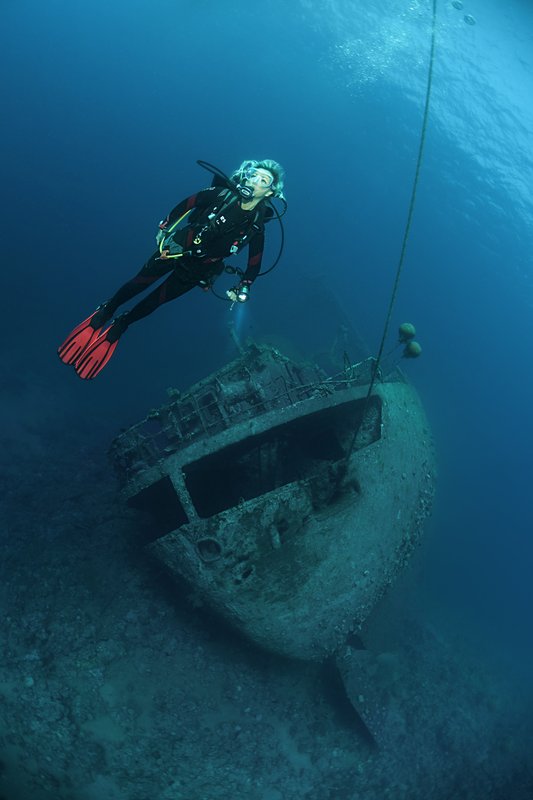
The Essential Rule: Buoyancy Before the Housing
A camera housing adds drag, shifts your trim, and tempts you to grab rock for stability while framing. Until you can hover hands-free at eye level with a subject, photos will cost you habitat damage and missed shots when animals flee fin turbulence.
The mistake beginners make is buying a housing before fixing overweighting. In Belyounech training bays, instructors routinely ask photographers to shed weight and practise Peak Performance Buoyancy before adding strobes on reef dives. Instructor feedback matters more than megapixels—though both help when skill is in place.
Train first: buoyancy tips, Peak Performance Buoyancy on courses, and honest weight checks every dive.
Quick Comparison: Three Photographer Profiles
Holiday snapshooter
Ideal for: GoPro or compact, ambient light, shallow 5–12 m dives in summer warmth.
Enthusiast stills
Ideal for: mirrorless/compact with one strobe, macro diopter, autumn clarity weeks.
Advanced portfolio
Ideal for: dual strobes, manual control, nitrox for longer 12–18 m sessions—nitrox guide.
Light and Colour in Clear Med Water
Red light fades quickly with depth. Practical rules for Chems sites when visibility hits 20–30 m on calm days:
Shoot within 1–2 m of your subject when possible—water between camera and fish kills contrast faster than in tropical clarity myths suggest. Set manual white balance on grey slate or sand at your working depth each dive. Red filters help ambient wide shots; strobes or video lights restore skin tones and fish colour below roughly 5–8 m faster than post-processing alone.
Keep the sun behind you for wide reef scenes; shoot upward for blue-water backgrounds separating subject from busy rock. Autumn and winter often bring excellent visibility—see best time to dive. Summer is warmer for long sessions but busier on the surface.
Why light planning matters in Belyounech
- Rocky Mediterranean walls need side-lighting to show texture—not flat front flash only
- Shallow seagrass margins suit natural light if you stay above 8 m
- Night photography requires torch discipline—night guide
- Midday harsh sun favours macro in crevices over wide scenic shots
Composition That Works on Local Reefs
Mediterranean subjects reward approach discipline, not chase behaviour. Get low—eye level with morays, octopus, or nudibranchs separates portfolio work from snapshots. Never kneel on reef; hover instead per conservation rules.
One strong subject beats cluttered wide frames: a single grouper, one shrimp, one anemone. Move closer with fins; avoid digital crop as a crutch. Patience wins—octopus and shy wrasse respond to stillness. Watch behaviour in our marine life guide before you pursue.
Why composition differs from tropical reefs
- Colour palette is subtler—composition and light carry more weight than neon coral
- Camouflaged scorpionfish and combers need careful framing, not chase
- Macro +5 to +10 diopters excel on crustaceans common on Chems sites
- Wide shots include Jebel Moussa backdrop only on specific shallow angles—ask guides
Inspiration: Chems gallery and site notes.
Settings and Workflow Underwater
Start simple: shutter speed fast enough to freeze movement (1/125–1/250 s for stills), aperture mid-range for depth of field (f/8–f/11 on many systems), ISO as low as conditions allow. Shoot RAW when supported. Check histograms between subjects—not after the dive when disappointment is free.
For video lights as focus aids on night dives, brief your buddy with hand signals. Avoid blinding animals; follow instructor guidance on red filters versus white beam.
Why workflow beats gear upgrades
- Same camera with disciplined distance outperforms expensive housing with sloppy approach
- Pre-dive checklist: O-rings, strobe sync, battery, card space—equipment checklist
- Protect kit from Mediterranean sun and sand before splash
- Log settings that worked at 15 m on previous Belyounech dives
Which Photo Approach Fits Your Morocco Trip?
If you are on Discover Scuba or Open Water training, choose no camera—skills first, photos later.
If you are certified with stable buoyancy on a warm summer week, choose GoPro or compact for fun wide memories.
If you plan dedicated photo days in autumn clarity, choose strobe + macro and consider PADI/SSI Underwater Photography specialty from 3,500 DH / 2,800 DH on courses.
Any system works with good technique. The worst outcomes come from new divers filming while kneeling on seagrass—not from lacking the latest body.
Why Divers Choose Chems Diving in Belyounech
Photography-friendly diving requires instructors who enforce conservation when shots tempt bad behaviour.
Serious training standards
Photo specialty courses include composition and buoyancy integration—not just button locations on your housing.
Multilingual instruction
English, French, Spanish, Arabic—briefings cover wildlife ethics and site-specific fragile zones.
Transparent packages
Underwater Photography specialty from 3,500 DH (PADI) / 2,800 DH (SSI) includes training and certification as listed. Fun dives from 650 DH for certified shooters with approved buoyancy.
Weather flexibility
Photo dives reschedule when visibility drops or surge stirs sediment—forcing a shoot in bad conditions wastes your holiday.
Our Honest Recommendation
Master buoyancy before buying serious housings.
Plan autumn weeks if clarity matters more than warmest water.
Take the photo specialty if you will dive Morocco repeatedly—not only one afternoon with a new camera.
Technique and respect for Mediterranean wildlife beat gear every time.
Start Shooting Responsibly in Belyounech
Tell us your certification, camera system, and dates. We match sites and briefings to your level—macro bays versus wide reef lines.
Need training first? See courses and contact. Compare camera systems in GoPro vs mirrorless.
Photo specialty and calm autumn slots fill early. WhatsApp +212 715501866 for 2026 availability.
Frequently Asked Questions
Do I need a strobe in the Mediterranean?
One strobe or strong video light dramatically improves colour below shallow depths. Ambient-only works for silhouettes and blue-water shots when white balance is set carefully.
Is a GoPro enough for Belyounech?
Yes for fun wide clips and shallow colour. Macro and low-light quality improve with lights or larger systems—see our camera comparison guide.
When is visibility best for photos?
Calm weather beats calendar month. Autumn through early spring often favours clarity; summer offers warmth. Chems confirms conditions daily.
Can beginners bring a camera?
On intro dives, focus on skills. Certified divers with solid buoyancy may shoot on fun dives. Photo specialty recommended before serious housings on reef.