Responsible Diving in the Mediterranean: What Actually Protects the Reef?
Every dive centre brochure mentions “eco diving” and “protect the ocean.” In the real Mediterranean off Morocco’s northern coast—rocky reefs below Jebel Moussa, seagrass margins near Belyounech, summer boat traffic from Fnideq and M’diq—the difference between marketing and protection comes down to buoyancy, briefing discipline, and behaviour other divers copy when they see you on the reef.
The Mediterranean is one of the world’s most visited and most pressured marine regions. Tourism, fishing, warming water, and coastal development all affect habitats along the Strait of Gibraltar. Unlike remote oceanic destinations, sites here see heavy repeat use. One diver kneeling on encrusting life seems harmless; fifty divers per week through summer do measurable damage.
At Chems Diving, environmental awareness is built into PADI, SSI, and CMAS course briefings—not a paragraph on the website. This guide explains what responsible diving means in Moroccan Mediterranean conditions specifically: what to do every dive, how boats and photographers fit in, and why instructor correction matters more than a reusable water bottle alone.
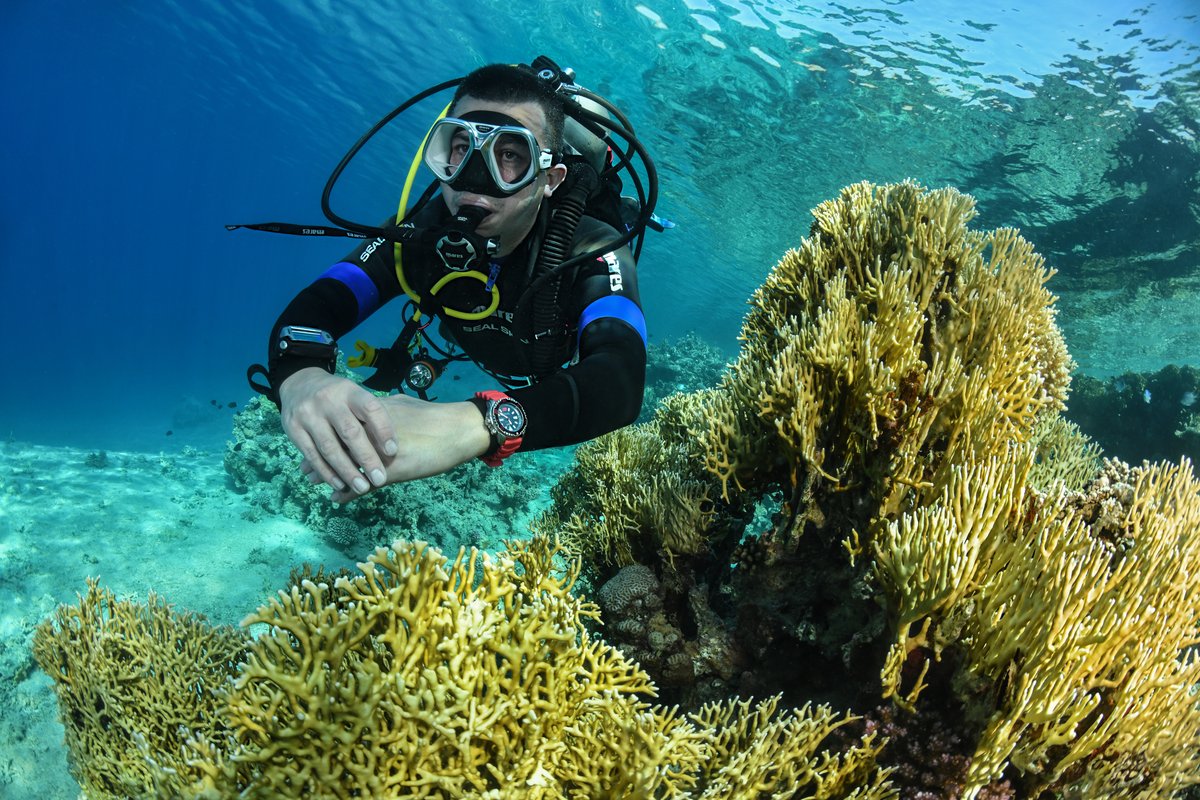
The Essential Rule: Buoyancy Is Your Primary Conservation Tool
International eco-certifications and reef-safe sunscreen help at the margins. Underwater, the single action that protects Mediterranean habitat is never needing the bottom as support: hover without finning across rock, never kneel on seagrass, never grab walls while photographing.
The mistake beginners make is treating conservation as something experts do after mastering skills. In Belyounech’s shallow training bays, your first Discover Scuba session should already emphasise fin position and trim because local reefs recover slowly from repeated contact. Instructor correction matters more than whether you bought the greenest wetsuit—though both help on land.
Train buoyancy deliberately: buoyancy guide, Peak Performance Buoyancy on courses, and honest weight checks before every dive.
Quick Comparison: Three Pressure Points on Local Sites
Physical contact
Ideal response: perfect buoyancy—no standing, kneeling, or finning across reef or Posidonia seagrass.
Wildlife interaction
Ideal response: observe without touching, feeding, chasing, or cornering animals for photos.
Surface and boat ops
Ideal response: moor responsibly, pack out trash, avoid repeat anchor damage on the same reef heads.
On Every Dive: Non-Negotiable Habits
Responsible Mediterranean diving is not abstract ethics—it is a checklist Chems instructors reinforce on every course and fun dive. Secure gauges and camera trays so nothing drags across growth. Take only photos, leave only bubbles—no shells, stones, or “souvenirs” from the seabed. Follow the guide and site-specific limits from our Belyounech sites guide.
Slow ascents and safety stops protect you and reduce unnecessary water-column disturbance. Use standard hand signals so your buddy understands position adjustments without grabbing the reef for stability.
Why these habits matter in northern Morocco
- Rocky Mediterranean substrate hosts slow-growing encrusting organisms—not tropical coral that recovers fast
- Seagrass meadows where present are nursery habitat—fin damage has fisheries consequences
- Summer crowds multiply individual mistakes across the same shallow training zones
- Model behaviour—other holiday divers imitate what they see instructors tolerate
Fix overweighting at the surface before descent. Common errors are catalogued in beginner mistakes.
Boats, Anchors, and Surface Behaviour
At busy Mediterranean sites, boat handling affects the seabed as much as divers do. Where possible, operators should use existing moorings or sand patches—not repeated anchor drops on the same reef head every weekend through July and August.
On Chems shore and boat dives from Belyounech, instructors choose entry lines that avoid fragile shallow zones. On the surface between dives: minimise plastic waste, avoid sunscreen ingredients harmful to marine life when alternatives exist, and never discard weights, cans, or cigarette ends. If you see debris underwater and retrieval is safe, ask your guide first—some items are better left for a planned cleanup with proper gloves and bags.
Why surface discipline matters
- Fnideq–M’diq coast sees seasonal tourism spikes—land trash reaches water quickly
- Anchor scars persist on rocky bottom long after the boat leaves
- Surface interval behaviour sets culture for the next descent
- Ferry and road travellers from Tangier gateway often dive packed lunches—pack out all wrappers
Wildlife Ethics: Moroccan Mediterranean Species
Common sightings—groupers, morays, octopus, wrasse—are described in our marine life guide. Photographers should wait for natural behaviour rather than cornering animals; see photography tips for low-impact framing. Night dives add stress to shy species—move slowly and keep lights off faces until needed (night guide).
Spearfishing and recreational scuba do not mix on the same breath-hold rules. Respect local fishing zones and never take marine life on scuba dives. Feeding fish for photos changes behaviour and is discouraged on all Chems operations.
Why wildlife rules differ from tropical destinations
- Mediterranean species are often shy from fishing pressure—not habituated to daily diver feeds
- Octopus and cuttlefish are highlight sightings; chasing them ruins shots and stresses animals
- Moray eels in crevices should be observed, never poked with sticks or pointers
- Parrotfish mucus cocoons at night are fragile—torch discipline required
Which Diver Profile Should Prioritise Conservation Skills?
If you are a new Open Water student, choose buoyancy-focused training first—conservation starts in confined water, not after fifty fun dives.
If you are a photographer, choose Peak Performance Buoyancy plus photo specialty before carrying a large housing on reef dives.
If you are an experienced diver visiting from coral-reef destinations, choose local briefing humility—Mediterranean rock and seagrass need different fin discipline than sandy Caribbean sites.
Any diver can protect habitat with good instruction. The worst outcomes come from centres that prioritise photos over correction—not from tourists who never heard the word “eco.”
Why Divers Choose Chems Diving in Belyounech
Founded in 2015 at the foot of Jebel Moussa, Chems integrates environmental awareness into daily operations—not annual beach cleanup photos alone.
Serious training standards
Instructors correct overweighting, bottom contact, and wildlife harassment on every course dive. Certification is not rushed past conservation basics.
Multilingual instruction
English, French, Spanish, and Arabic briefings ensure every student understands site-specific rules before splash.
Transparent packages
Course prices on courses include equipment and training as listed—Discover Scuba 450 DH, Open Water from 4,125 DH. Environmental briefing is part of every package, not an add-on fee.
Weather flexibility
When surge threatens shallow habitat, we move to sheltered bays or reschedule. Forcing a site in unsafe conditions damages reefs and divers.
Our Honest Recommendation
Prioritise buoyancy training before advanced gear or deep profiles—protection follows skill.
Photograph with patience and distance—never feed, chase, or touch Mediterranean wildlife.
Choose dive centres that correct bad habits even when it slows the group—Chems includes that in every course.
Conservation here is daily discipline on rocky reef, not a logo on a T-shirt.
Start Diving Responsibly in Belyounech
New to diving? Begin with Discover Scuba or Open Water on our courses page. Already certified? Book fun dives (from 650 DH) with briefings that match local habitat.
Questions about site rules or photography ethics? Contact us before your trip. Read diving in Morocco for regional context.
Summer slots fill in small groups—we can teach conservation habits from dive one. WhatsApp +212 715501866 for dates and course advice.
Frequently Asked Questions
Can I touch fish for a photo?
No—handling or chasing wildlife stresses animals and is not allowed on Chems dives. Improve buoyancy and approach slowly from below and to the side without blocking escape routes.
Are reef hooks allowed?
Not on our recreational Mediterranean dives. Hooks damage encrusting life and encourage bad position in current. Learn proper drift technique with instructors instead.
Does feeding fish help photography?
Feeding changes behaviour, attracts unnatural aggregations, and is discouraged. Patience, calm approach, and appropriate lighting produce better Mediterranean images long-term.
Can beginners dive responsibly here?
Yes—shallow calm training areas near Belyounech are ideal for building buoyancy before deeper reef tours. Environmental habits start on day one with good instruction.